
By Paula McCooey
Once a warm-weather indulgence, now a modern constant
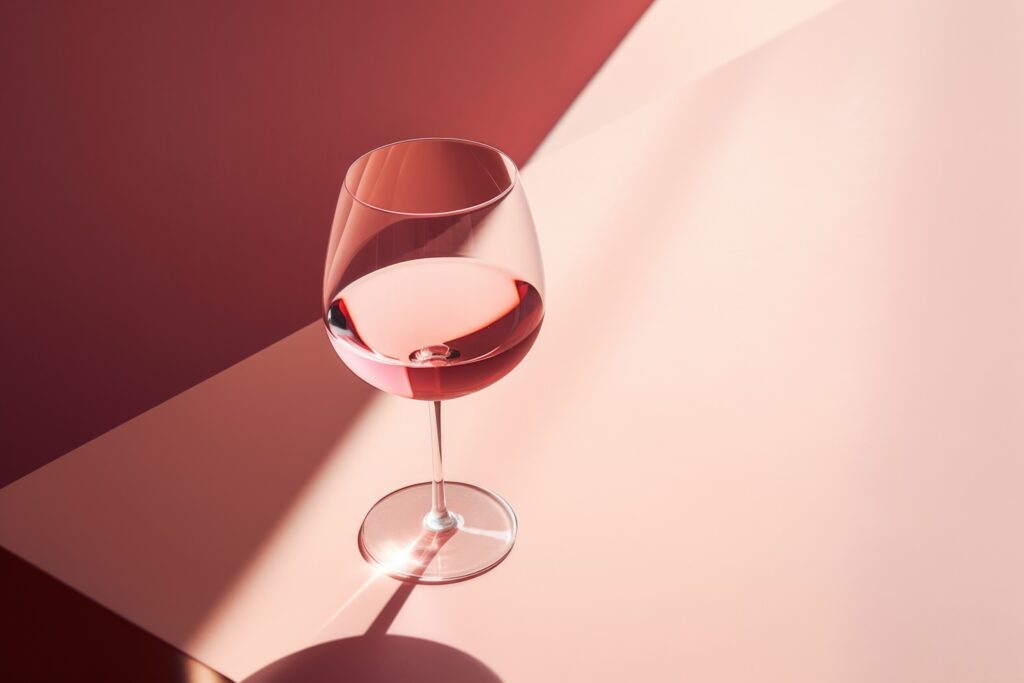
As winter recedes and meals move outdoors, candlelit rooms give way to balmy evenings, fragrant gardens, and tables set beneath open skies. The season’s freshest produce takes centre stage, often alongside a crisp, sun-kissed rosé—long considered the perfect companion to al fresco dining.
Yet what was once dismissed as a sweet warm-weather indulgence has quietly rewritten its role. No longer confined to the sunny months, rosé has become a modern constant, moving effortlessly from early spring aperitifs to long lunches and unhurried evenings throughout the year.
From the pale, bone-dry styles of Provence to the more robust, savoury, food-friendly rosatos of Italy, and the crisp, fruit-driven expressions emerging from British Columbia’s Okanagan Valley, pink bottles have steadily expanded their presence on liquor store shelves. Organic, sparkling, and even alcohol-free rosés are now in the mix
“Rosé is now seen as a year-round option that fits easily into everyday occasions,” says Marie Cundari, senior director of New World and Ontario wines at the LCBO. She points to the growing global recognition of high-quality dry rosés, particularly those from Provence. “We began to see the shift to rosé being reframed as a serious wine with an aspirational lifestyle appeal and recognized for its versatility,” she adds.
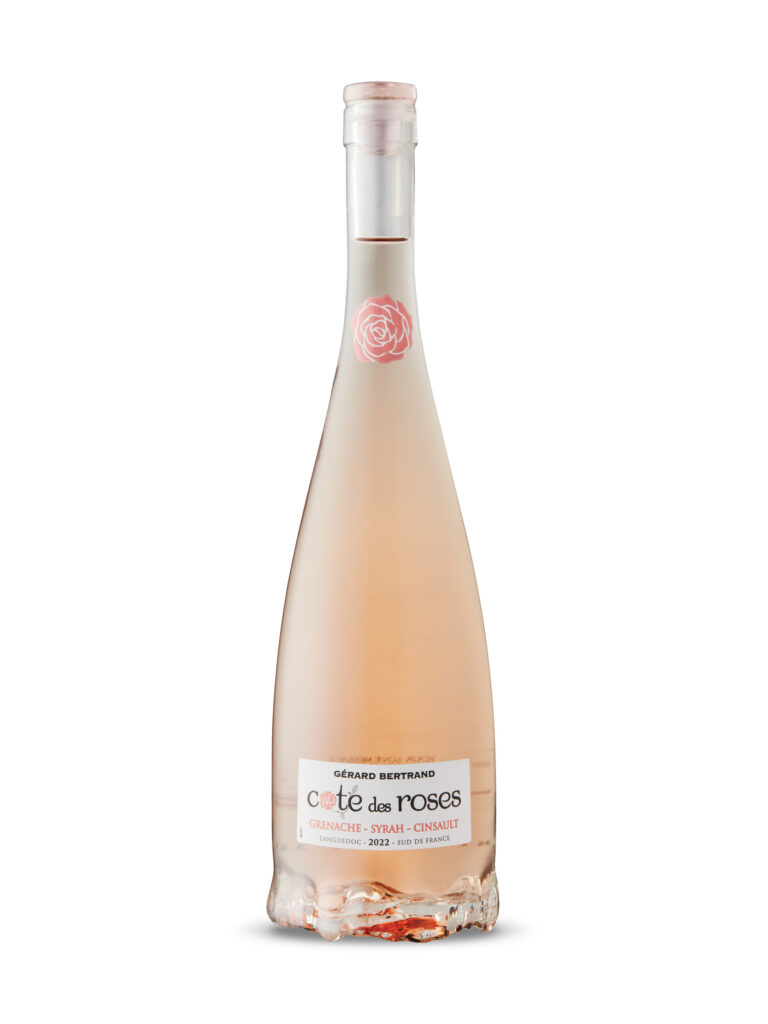
Marie notes that certain brands—such as Miraval Rosé, produced at the Provençal estate famously once owned by Angelina Jolie and Brad Pitt, and Côtes des Roses, known for its distinctive rose-shaped bottle base—resonate strongly with people due to their quality, low sugar levels, and clear brand identity.
“Both brands have built trust through reliable quality and are positioned in the mid-premium to premium price segments, which continue to see growth as customers trade up for higher-quality rosés.”
Around the world, rosé is produced from a wide variety of regional red grapes. In Provence, sun-drenched blends of grenache, cinsault and mourvèdre set the benchmark for pale, dry styles; in Italy, sangiovese gives rosato its bright cherry lift; Spain’s tempranillo brings darker fruit notes and spice to many strawberry-pink rosados; while in cooler climates such as Oregon and parts of Germany, pinot noir produces rosés prized for their freshness and finesse.
Rosé maceration involves soaking crushed red grape skins with their juice for a short, carefully timed period—usually two to 20 hours—to draw out the signature blush, bright flavour, and soft tannins. Unlike red wines, where the juice stays with the skins for days or even weeks to build depth, rosé’s contact is measured in hours—just enough time to capture its colour and lively character before pressing. The winemaker’s timing makes all the difference, shaping whether the wine ends up pale and delicate or richer in hue with a bit more body.
 Melanie Aubert, the Ottawa-based sommelier behind the blog Wining with Mel (winingwithmel.com), has rosé roots that run deep. Born near Provence and raised spending summers in the south of France, she calls rosé “part of my heritage.”
“There has definitely been a rosé renaissance, with a variety of styles to suit all palates,” she says. “You can find everything from dry, bright rosés to fun, fruity ones—what the French call ‘rosé de piscine,’ meant to be sipped poolside—to more serious styles that pair beautifully with food and can even be cellared.
“We tend to associate its colour with romance and see it as both elegant and fun,” she adds. Among her favourite bottles is Lafage Miraflors from Roussillon, France, which she describes as “a gorgeous pale-peach colour, incredibly refreshing, with notes of wild strawberry, red apple and stony minerality—somewhat fruity but perfectly dry.” She is also drawn to Carp, Ontario’s KIN Vineyards’ rosé made from Niagara pinot noir grapes. For those drawn to natural wines, she recommends Funky Fred Pink from Fred Wines in Niagara, calling it “a fun and funky rosé, as advertised: wild fermented, unfiltered, with no added sulphites.”
For Melanie, it’s simple: Rosé captures the easygoing joy of summertime, but its charm lasts well beyond the season.
On summer nights, Chelsea, Quebec’s beloved Le Petit Bar à Vin is the ideal place to enjoy a glass on its charming outdoor terrace, taking in the live music and natural surroundings. Guests choose from an ever-changing wine list that includes options from around the world, with a special nod to Québécois and Canadian producers.
“In summer, particularly on warm and sunny evenings, rosé is king,” says Jean-François Bilodeau, the bar’s owner and manager. “By the glass or by the bottle, rosé tops the sales charts, closely followed by white and orange wines.” He considers all rosés versatile. When it comes to food pairings, nothing is off the table—rich cheeses, seafood, or spicy dishes. “I would say that’s what surprises guests the most—rosé can pair beautifully with almost everything on our menu.”
Marie Cundari’s Picks:
While several rosé categories, including dry, sparkling, natural, and organic, are growing on LCBO shelves, non-alcoholic versions are also gaining momentum, offering full flavour without the alcohol.
Popular Choices:
1 Gérard Bertrand Côte des Roses Rosé – $19.95
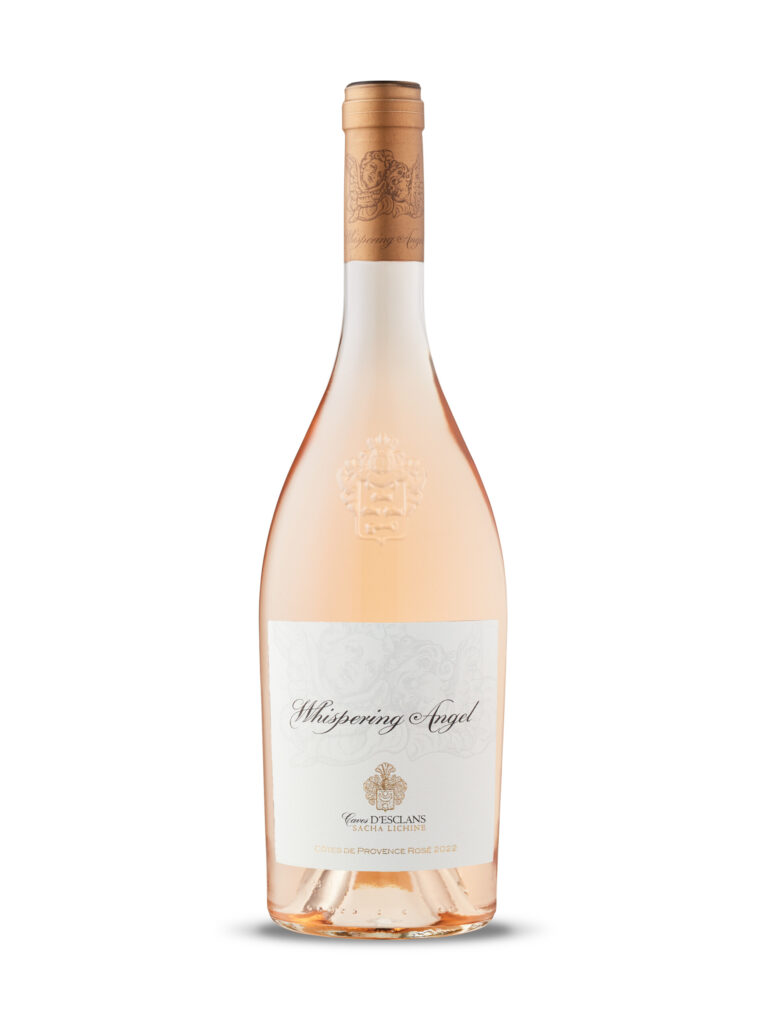
2 Caves d’Esclans Whispering Angel Rosé – $30.95
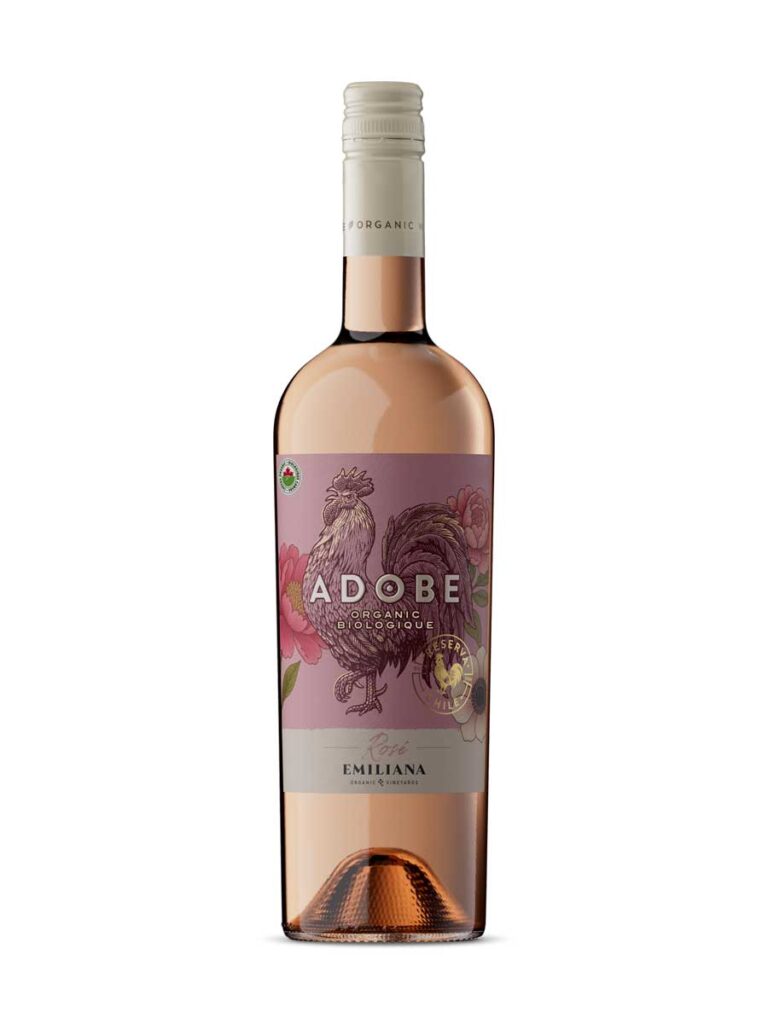
Organic Options:
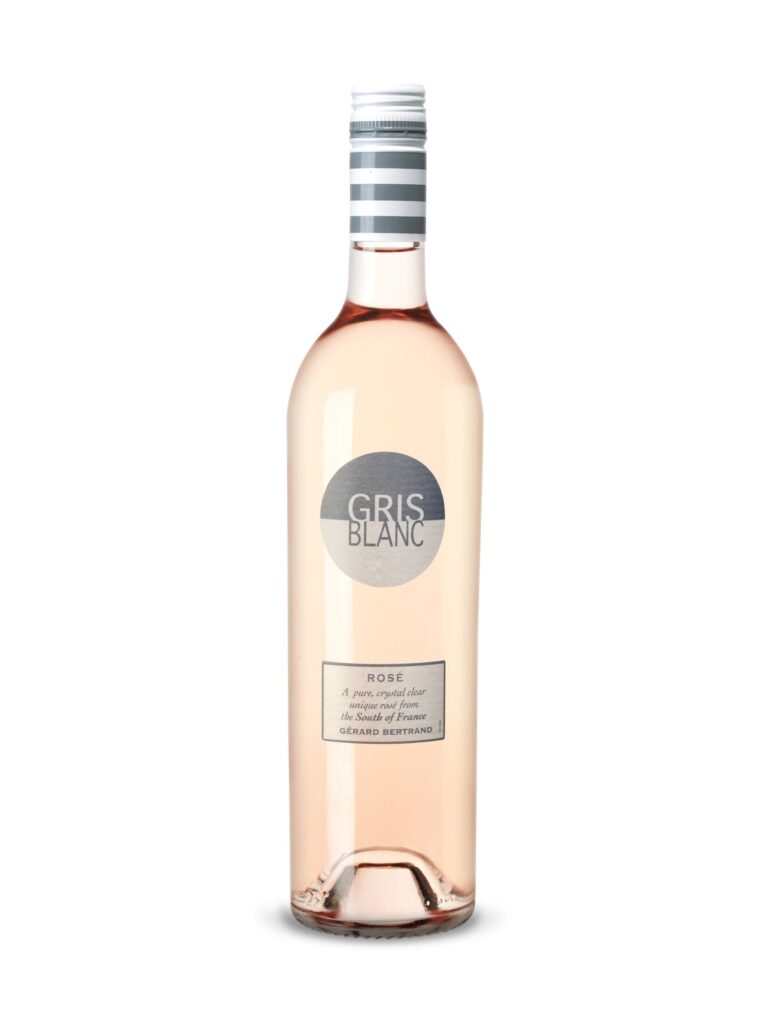
3 Gérard Bertrand Gris Blanc Rosé Organic – $16.95
4 Adobe Reserva Rosé Organic – $13.00
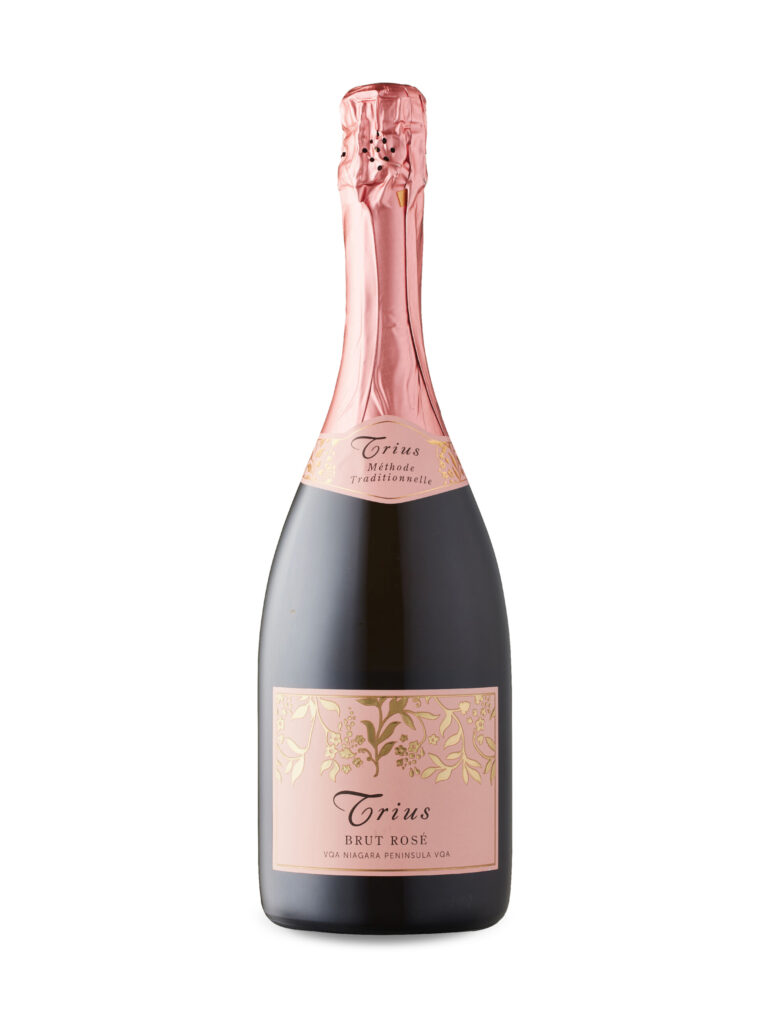
Sparkling:
5 Trius Brut Rosé Sparkling VQA – $29.95
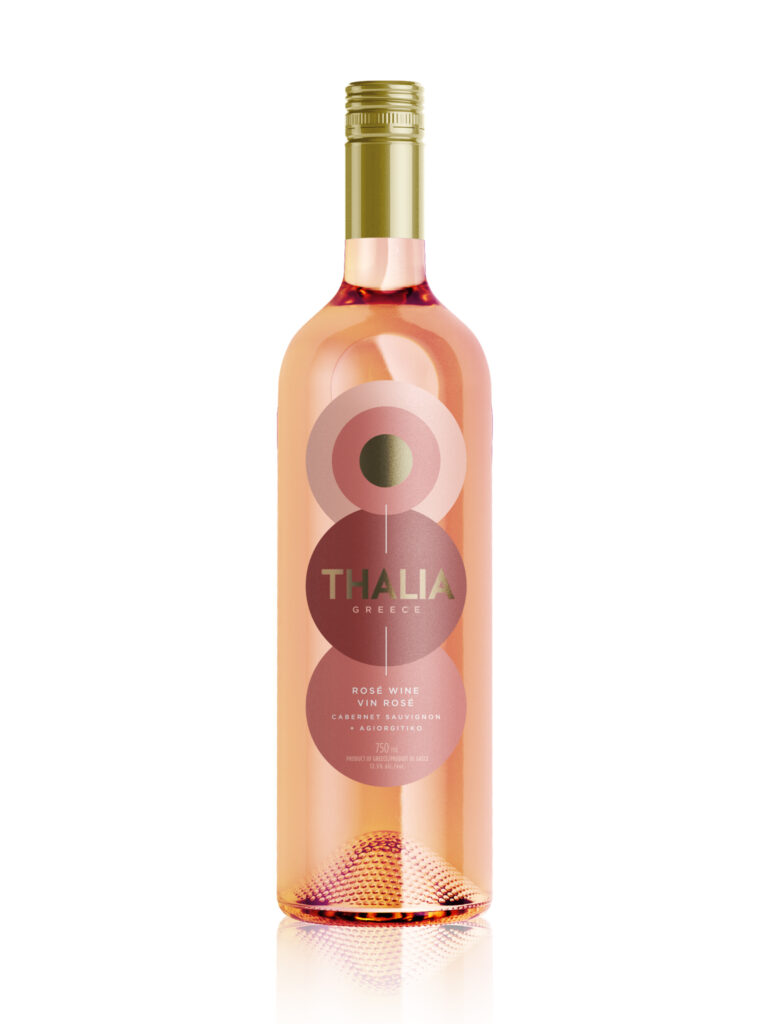
Under-the-Radar:
6 THALIA Rosé – $12.95 (new arrival)
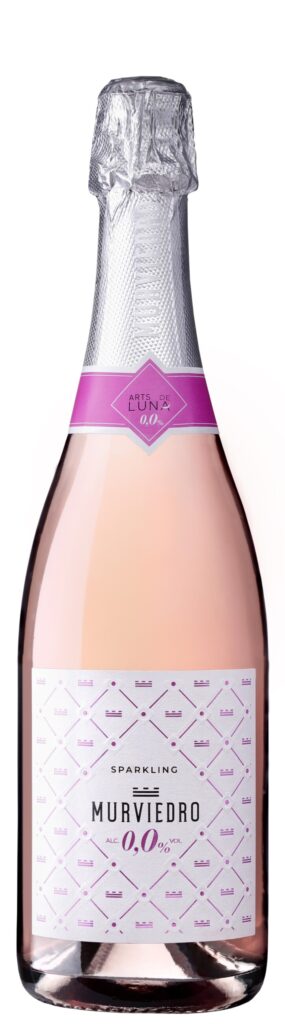
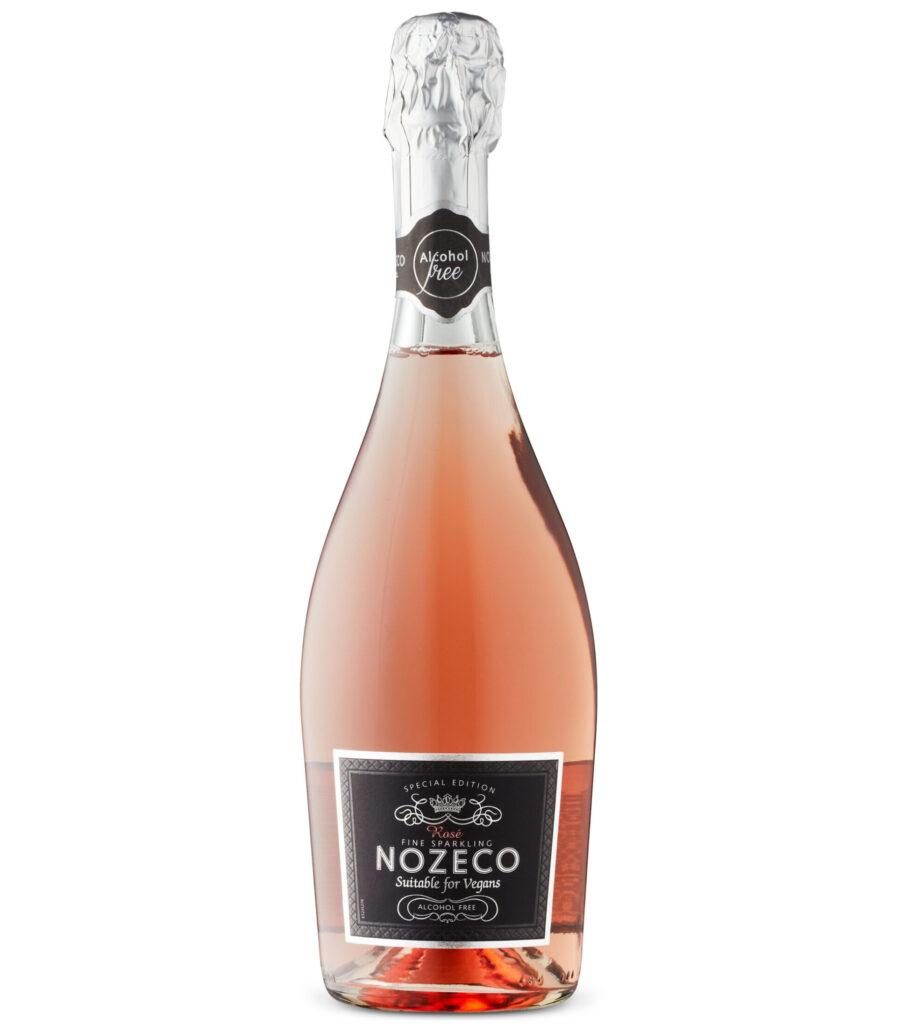
Non-Alcoholic Options:
7 Luna De Murviedro Dealcoholized Sparkling Rosé – $9.95
8 Nozeco Sparkling Rosé Dealcoholized – $11.95