
Climate, Geology and the Evolving Identity of Barolo, Barbaresco and Roero
By Janet Dorozynski
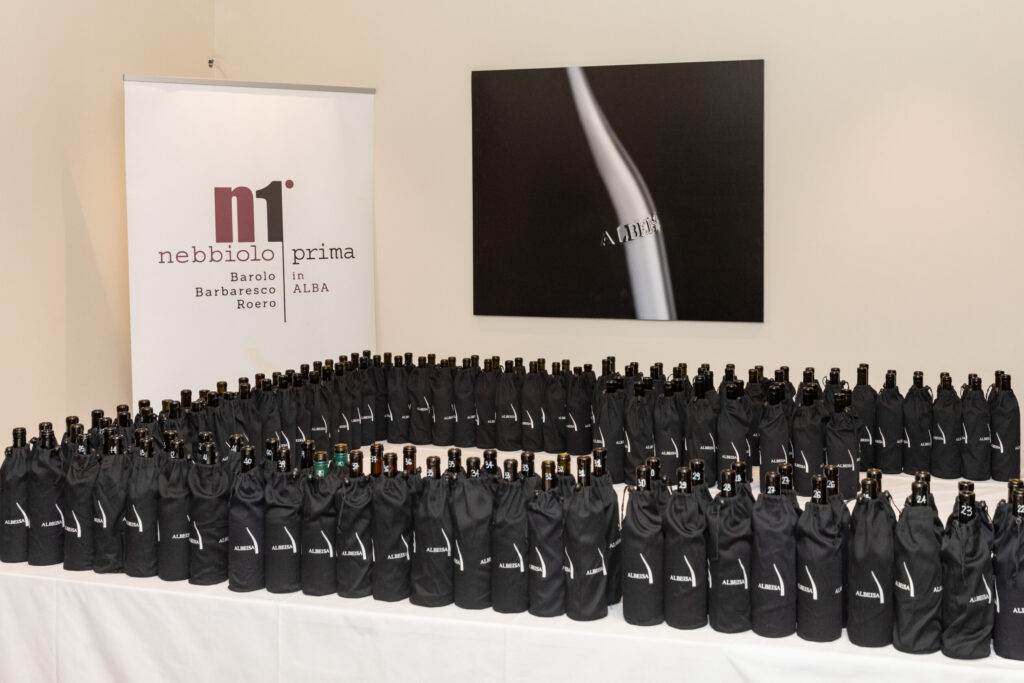
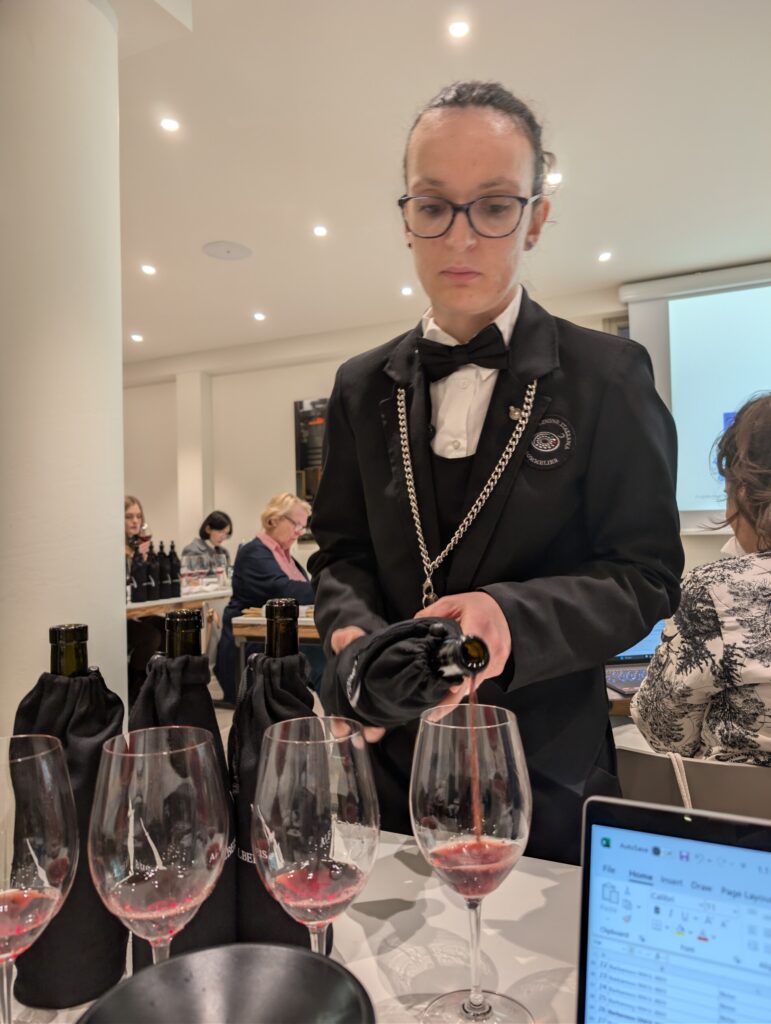
Last December I travelled to Alba for Nebbiolo Prima, the annual showcase of Barolo, Barbaresco, and Roero wines organized by the Consorzio Albeisa. What unfolded over four days was more than a preview of the 2022 and 2023 vintages. Intensive tastings of over 300 wines, technical seminars, vineyard visits and evening events offered a deep dive into the nebbiolo grape and its homeland Langhe region in northwestern Italy.
Nebbiolo Past and Present
Before our daily blind tastings, each morning began with lectures on geology, climate, viticulture and production trends. There was an especially fascinating session on nebbiolo’s history and genetic evolution, which underscored just how singular the variety is to the region.
First documented in 1266 near Turin, nebbiolo predates the great cathedrals of Milan and Florence and belongs to a small group of medieval European varieties still cultivated today. Nebbiolo’s genetic diversity, particularly in older vineyards, is unusually high and reflects centuries of mutation, clonal selection and environmental adaptation. The varieties freisa and vespolina are direct descendants, and teroldego is a close relative.
Despite its long history, nebbiolo remains one of Italy’s most viticulturally demanding grapes. It buds early, ripens late and has low fertility and high vigour. It is extremely sensitive to where it is planted. The amphitheatre-like slopes of the Langhe, protected from wind, are where it thrives. It does best in the hills surrounding the town of Alba and is well suited to the warm summers and cool winter conditions.
Today, nebbiolo accounts for 37 per cent of plantings in the region. Barolo represents the economic and emblematic anchor, with more than 300 producers bottling their wines in the distinctive embossed Albeisa bottles, 18 million of which are exported around the world each year.
The Three Graces: Barolo, Barbaresco and Roero
Barolo is referential and revered. Made exclusively from nebbiolo, it is a wine built on tension, with high acidity, firm tannins and signature tar and rose aromas that develop with years of aging. DOCG (Denominazione di Origine Controllata e Garantita) regulations require a minimum of 38 months of aging before release, of which 18 are in barrel.
Barbaresco, also 100 per cent nebbiolo, offers a different expression. Still structured and age-worthy, it is more elegant and refined; it also matures earlier than Barolo. While Barolo is all tar and roses, Barbaresco is red fruit, licorice, and earthy notes that also transform with age.
Roero, meanwhile, remains the region’s quiet over-achiever. Situated north of Alba on the left bank of the Tanaro River, the region’s sandy soils and blue clay produce nebbiolo with softer tannins and more fragrant aromatics. Roero wines do not require the long-term aging of Barolo and Barbaresco, making them an appealing option for collectors waiting out their cellars and anyone who appreciates nebbiolo’s perfume at a more accessible price point.
Climate: Continuity, Disruption and Adaptation
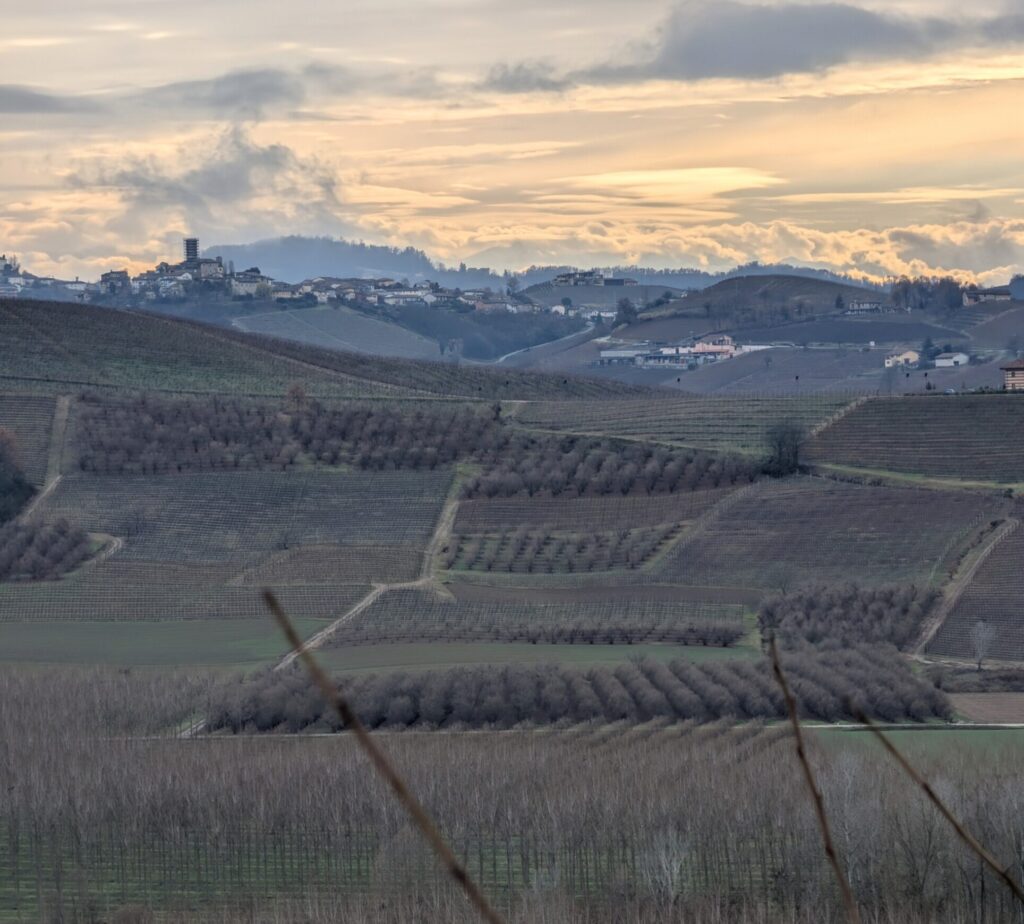
Climatically, the Langhe sits in a semi-continental pocket moderated by the foothills of the Alps and the marine influence of the Mediterranean. The Italian side of the Alps is warmer and drier than the French side due to rain-shadow effects, a subtle but crucial factor in enabling nebbiolo’s ripening consistency.
Climate change threaded through several discussions at Nebbiolo Prima. While some producers remain cautious about drawing long-term conclusions, we heard about certain patterns becoming difficult to ignore. Autumns are hotter, reduced diurnal shifts have become common, and rainfall increasingly arrives in episodic, violent bursts rather than steady, replenishing showers.
Both the 2022 and 2023 vintages began with unusually mild winters and little snowfall, an emerging pattern with significant implications for groundwater reserves, especially on free-draining hillside sites. The 2022 growing season was notably hot and dry, and especially for Barolo, the wines show structure and concentration. In some cases, they show less freshness but more ripe, generous tannins, likely not requiring the usual long aging period.
The 2023 vintage was slightly more temperate and benefited from timely rainfall in August. The Barbarescos and Roeros we tasted showed an overall finesse and aromatic clarity, if only slightly less concentrated than those of 2022.
Geology: Langhe’s Ancient Blueprint
If climate is shifting the region’s narrative, geology remains its ancient blueprint. The sedimentary marine soils of the Langhe are silty, sandy and calcareous; they vary dramatically from one hillside to the next. The hillsides of the Alta Langhe tend toward lighter, whiter soils that limit vigour and concentrate flavours, while the steeper, wilder slopes are planted with hazelnut orchards. The gentler slopes offer deeper, redder, iron‑rich soils and fertile valley floors tend to be avoided altogether, as their rich soils produce excessive vigour.
Barbaresco’s soils are generally drier and more uniform than Barolo’s, contributing to its elegance. Roero’s younger, sandier soils and blue clay formations produce wines with lower structural intensity but more overt aromatics. These geological distinctions remain central to shaping the stylistic differences among the three DOCGs.
Evolution Through Refinement, Not Reinvention
The Nebbiolo Prima tastings made one thing clear. The region and wines of Barolo, Barbaresco and Roero are neither insulated from change nor destabilized by it. The 2022 and 2023 vintages largely show adaptation rather than upheaval. As for the future of nebbiolo, it will be shaped by incremental adjustments to vineyard sites and exposure, along with continued trust in a grape that has always rewarded patience over haste.
A Case of Noteworthy Nebbiolo:
Azienda Agricola Quila Bric Sghijon Roero DOCG 2023
Azienda Agricola Ponchione Maurizio Roero Monfrini 2023
Cantina Bric Castelvej Roero DOCG Riserva Panera Alta 2022
Ca’ Romé Barbaresco DOCG Rio Sordo 2023
Giuseppe Cortese Barbaresco DOCG Rabajà 2023
Punset Barbaresco Basarin Riserva DOCG 2021
G.D. Vajra Barolo DOCG Bricco delle Viole 2022
Giacomo Borgogno & Figli Barolo DOCG Liste 2022
Giorgio Scarzello e Figli Barolo del Comune di Barolo 2022
Luigi Einaudi Barolo DOCG Bussia 2022
Rocche Costamagna Barolo DOCG Rocche dell’Annunziata 2022
Vietti Barolo DOCG Più Comuni 2022
 Janet Dorozynski is the wine and drinks columnist for LUXE. She is a Wine and Spirits Education Trust (WSET) certified educator, international wine and spirits judge and has been writing about wine, spirits, food and travel in national and international publications for over two decades. You can follow her on Threads and Instagram @winetrackmind.