
 Plumbing is one of those things you rarely think about—until it fails. When everything works, showers stay hot, sinks drain fast and the lawn looks healthy. But once a clog, leak or backup hits, the disruption takes over your whole routine.
Plumbing issues are simply part of owning a home. What matters is how you handle them. In the past, big repairs meant torn-up yards, weeks of hassle and growing bills. Today, regular drain cleaning and pipe cleaning help prevent major problems, while modern options like trenchless water line replacement fix serious issues without wrecking your property. These advances make repairs quicker—and homeownership a lot less stressful.
From Costly Dig-Ups to Smart Plumbing Fixes
Not too long ago, a cracked water line or a persistent clog could throw a household into chaos. Repairs were loud, messy and unpredictable. Heavy equipment rolled into your driveway, your yard was ripped apart, and you crossed your fingers that the crew would find and fix the problem before costs spiraled out of control.
For many homeowners, the worst part wasn’t the repair itself—it was the collateral damage. Replacing broken pipes also meant replanting gardens, repaving driveways and re-sodding lawns. The whole process was exhausting.
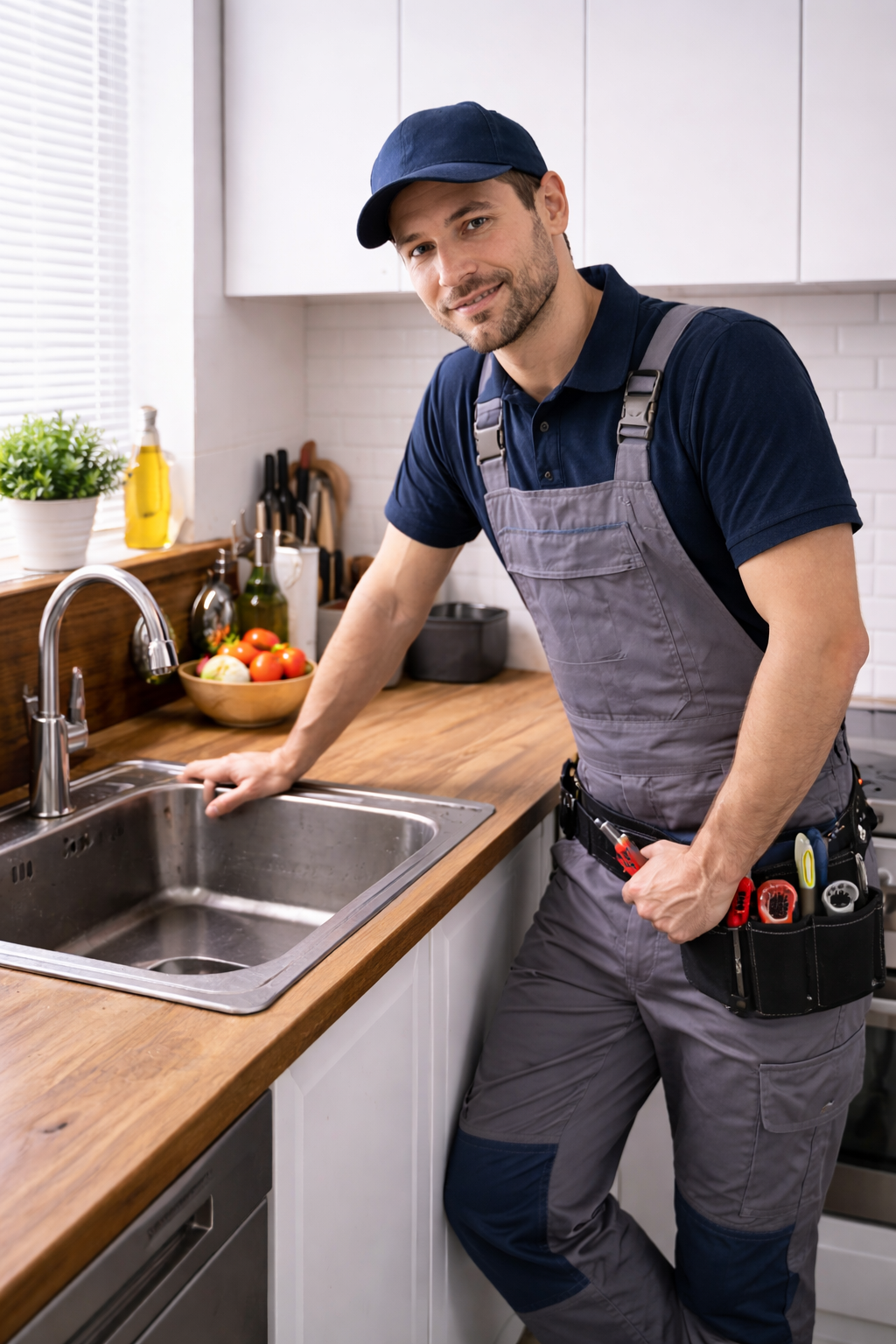
Why Today’s Plumbing Saves Time and Stress
Now, plumbing looks very different. With a small camera threaded into your pipes, a plumber can see exactly what’s going on inside, often within minutes. Instead of guessing, they can diagnose the problem thoroughly and offer solutions tailored to your situation.
Hydro jetting blasts away buildup in seconds. Pipe cleaning keeps systems running strong for decades. Trenchless water line replacement installs a brand-new pipe without converting your property into a building site. The result? Problems that once took weeks to fix are often solved in a day.
Homeowner insight: If a plumber still suggests “digging to find the problem,” ask if they offer camera inspections. They’re faster, cheaper, and protect your property from unnecessary damage.
When a Slow Drain Means More Than You Think
We’ve all done it: ignored a sink that drains slowly or a shower that leaves water pooling around our feet. It feels like a minor annoyance. But in plumbing, slow drains are often early warning signs of bigger issues.
Over time, grease hardens inside pipes, soap and hair form thick buildup, and in many neighborhoods, tree roots press their way into underground lines. What looks like a simple clog may actually be the symptom of a system struggling under years of hidden pressure.
How to Get Rid of Clogs for Good
Most homeowners reach for chemical drain cleaners first. They’re quick, cheap and promise instant results. But here’s the reality: Those chemicals eat away at the inside of your pipes, creating weak spots that can turn into leaks later. And worse, they rarely remove the clog completely.
Professional drain cleaning works differently. Using inspection cameras, plumbers can locate the clog and see what’s causing it. With hydro jetting, they blast the inside of the pipe clean—not just clearing the blockage but restoring the pipe to near-new condition.
 Practical Tips for Prevention
- Never pour grease down the drain—it hardens like candle wax.
- Use drain strainers in sinks and showers to catch food scraps and hair.
- Schedule professional cleaning once a year if your home is older, or twice a year if you have a large household.
The benefit isn’t just convenience. Clean drains prevent odors, stop surprise backups during holidays or gatherings, and protect pipes from long-term damage.
The Hidden Maintenance That Keeps Water Flowing
Unlike drains, your main pipes are easy to forget. They don’t make noise, they’re buried behind walls or underground, and they can quietly collect grit, grease and minerals for years. The first signs of trouble—low water pressure, cloudy water or unexplained damp spots—often mean the damage has already started.
Why Clean Pipes = Fewer Emergencies
Routine pipe cleaning is like a tune-up for your home’s plumbing. Just as cars last longer with oil changes, pipes stay reliable when they’re cleaned before buildup takes its toll. Hydro jetting removes decades of scale and debris, keeping water flowing the way it should.
What Homeowners Should Know
- If your home is more than 20 years old, schedule a camera inspection to understand your pipe condition.
- In areas with hard water, mineral buildup is common. Cleaning every two to three years can prevent corrosion.
- For homes surrounded by trees, root intrusion is a top risk. Pipe cleaning not only removes roots but also prevents them from causing future blockages.
The payoff? Stronger showers, fewer late-night emergencies and pipes that last decades longer. Preventative care costs a fraction of what emergency repairs can, making it one of the smartest investments a homeowner can make.
Replacing Water Lines Without Wrecking Your Yard
Few repairs used to strike more fear into homeowners than water line replacement. Traditional methods meant trenches carved across yards, cracked driveways, destroyed gardens and weeks of disruption. In many cases, the cost of restoring landscaping rivalled the cost of the plumbing itself.
 A One-Day Fix That Lasts 50+ Years
Trenchless water line replacement has changed everything. Instead of digging up your property, plumbers use small access points to insert and expand a new pipe. Whether through pipe bursting (breaking the old line while pulling a new one through) or pipe lining (coating the inside with a new durable lining), the result is the same: a brand-new water line installed in less than a day.
Practical Takeaways
- Trenchless replacement typically lasts 50+ years, meaning you’ll likely never face the issue again.
- The process usually costs about the same as traditional digging but saves thousands in landscaping repairs.
- Always ask for a warranty; reputable trenchless services often provide 20 to 50 years of coverage.
This is where companies like Dr. Pipe Drain and Plumbing stand out. Serving homeowners across Ottawa and Toronto, Dr. Pipe specializes in trenchless water line replacement that avoids the stress and damage of traditional dig-and-replace methods. Using modern techniques like pipe bursting and pipe lining, their team installs new, durable water lines through small access points—preserving lawns, driveways and landscaping.
For homeowners dealing with aging or failing water lines, this approach delivers faster repairs, minimal disruption and a long-term solution without turning the yard into a construction zone.
Simple Habits That Stop Big Plumbing Disasters
Most plumbing emergencies—burst pipes, basement floods, sewer backups—don’t happen overnight. They build slowly, one ignored warning sign at a time. The good news? With a few simple habits, you can stop small issues from becoming disasters.
Preventive Checklist for Homeowners
Get annual inspections: Especially important in homes over 20 years old.
Install a backwater valve: A protective valve that stops wastewater from backing up into your basement during heavy storms or sewer overloads.
Insulate pipes in winter: Frozen pipes are one of the top causes of sudden bursts.
Know your shutoff valve: In an emergency, shutting off water quickly can save thousands in damage.
Prevention isn’t just maintenance—it’s peace of mind. It means fewer worries about surprise bills, less stress during storms and confidence that your home is protected.
Peace of Mind Starts with Smarter Plumbing
Every homeowner faces plumbing problems at some point. But the way we solve them today is smarter, faster and built to last. Drain cleaning keeps your system clear. Pipe cleaning extends the life of your plumbing. Trenchless replacement repairs water lines without tearing up your home.
Plumbing may still be hidden behind walls and underground, but it no longer has to be a mystery—or a nightmare. With modern methods, you can protect your home, save money and enjoy the comfort of knowing your plumbing will keep working exactly as it should.
Plumbing FAQs Every Homeowner Should Know
How often should I get my drains cleaned?
Once a year for most homes. If you have older pipes or a busy household, every six months helps prevent buildup.
Are chemical drain cleaners safe to use?
No. They corrode pipes and often push clogs deeper instead of removing them.
What are the signs that my water line is failing?
Watch for sudden drops in water pressure, unexplained wet patches in your yard or unexpected spikes in your water bill.
Is trenchless replacement really worth it?
Yes. Even if the cost matches traditional digging, you save thousands by avoiding yard and driveway repairs.
Snaking vs. hydro jetting—what’s better?
Snaking clears a single blockage. Hydro jetting scrubs the entire pipe, preventing clogs from returning.